Wet Scrubber
Overview
INTRODUCTION
Flexible Engineering (Pvt) Ltd, a Sri Lankan ventilation and environmental solutions provider, is expanding its online profile to highlight its wet scrubbing systems — engineered solutions that remove hazardous gases, fumes, vapours and particulates from industrial exhaust streams. Flexible Engineering’s focus on energy-conscious ventilation and environmental protection positions it to deliver scrubber systems tailored to local industrial needs while aligning with international best practice.
Wet scrubbers are a class of air pollution control devices that remove contaminants from an exhaust gas stream by bringing the polluted gas into contact with a liquid (usually water or a chemically reactive solution). The pollutant is removed by absorption into the liquid, chemical reaction, or by inertial impaction of particles with liquid droplets. This makes wet scrubbers particularly effective for controlling acid gases, soluble vapours, fumes and for quenching hot gas streams. Apzem — an established manufacturer in the region — describes wet scrubbers as systems that utilize absorption techniques to separate pollutant acid gases from exhaust air.
WHY CHOOSE FLEXIBLE ENGINEERING FOR WET SCRUBBER SOLUTIONS?
Flexible Engineering combines local experience with a product portfolio and project approach that adapts equipment selection to process characteristics, footprint constraints and life-cycle cost. The company’s established role as a ventilation solution provider working on environmental protection projects demonstrates its capability to integrate scrubbers into wider plant ventilation and process systems.
KEY DESIGN CONSIDERATIONS AND OPERATING BEST PRACTICES
- Materials selection — For corrosive streams, specify SS 304/316, FRP or specialty linings; for chromic or halogenated acid services, more resistant alloys or composite materials are often required.
- Liquid chemistry — Choose absorbent chemistry to target the pollutant (alkaline solutions for acid gases; oxidizing or reducing chemistries where needed).
- Gas cooling and condensation control — High-temperature streams should be quenched to avoid damage to packing and to control downstream chemistry.
- Droplet and mist elimination — Effective demisters/mist eliminators are essential downstream of a packed tower to prevent liquid carryover.
- Maintenance and access — Design for safe access, easy inspection and periodic blowdown handling to manage concentrated waste streams.
COMMON WET SCRUBBER TECHNOLOGIES AND HOW FLEXIBLE ENGINEERING APPLIES THEM
Flexible Engineering evaluates each application’s gas composition, flow rate, particulate loading, and emission targets to recommend the most appropriate scrubber technology — from packed towers and venturi scrubbers to multi-stage hybrid systems. The following sub-products represent the core technologies available in the Flexible Engineering portfolio.
Products
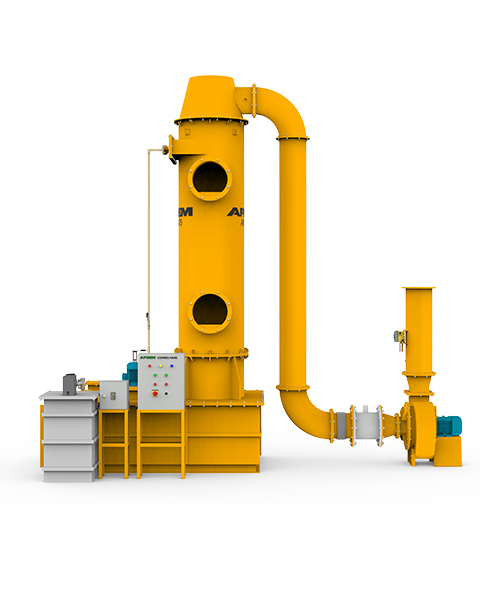
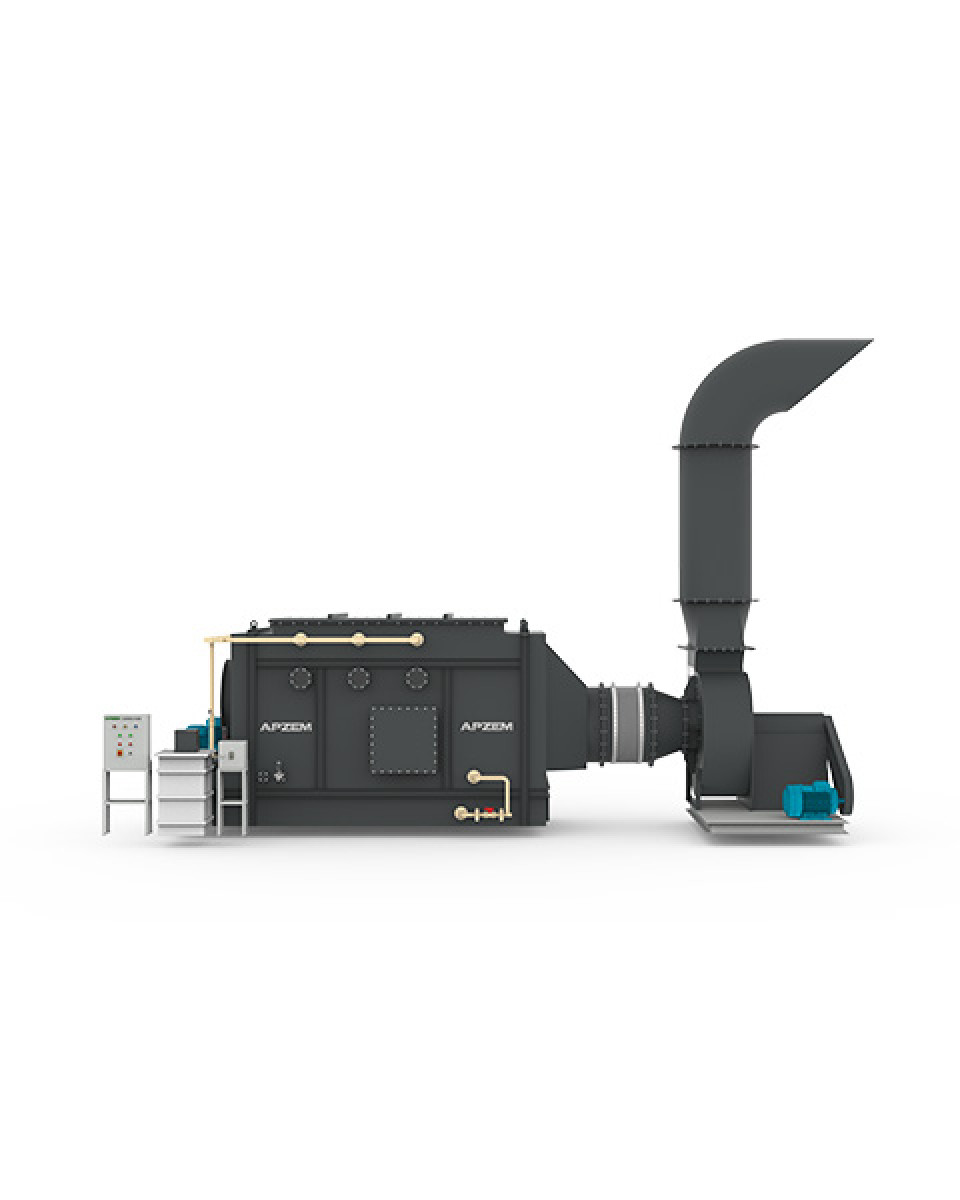
Packed Bed (Packed Tower) Scrubbers
Packed bed scrubbers are vertical towers filled with packing media to increase the interfacial area between gas and liquid. Contaminated gas flows upward while scrubbing liquid flows downward, enabling efficient mass transfer and absorption of acid gases such as SO2, HCl and chlorine-containing fumes. Packed-bed designs are particularly strong where gas-liquid contact and high mass transfer are required, and they can achieve very high removal efficiencies (often exceeding 95% for soluble gases when properly designed). Design choices — packing type, liquid distribution, and residence time — determine performance and pressure drop.
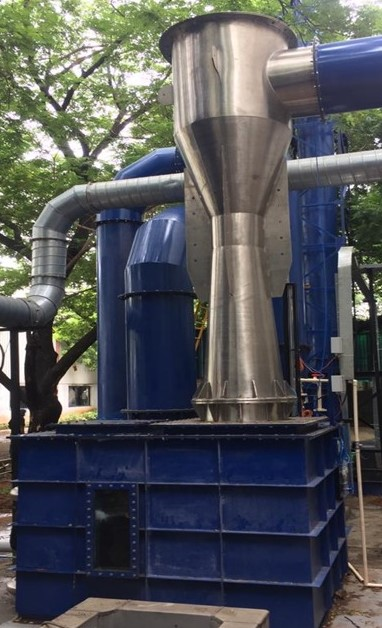
Venturi Scrubbers
Venturi scrubbers use a high-velocity constriction to atomize the scrubbing liquid and create intense gas-liquid interaction; they excel at particulate removal (including very fine aerosols) because of the energetic collisions between droplets and particles. Although venturi designs can remove some gaseous contaminants, their mass-transfer for soluble gases is generally poorer than packed-bed absorbers, so their primary application is particulate and fume control, or as a pre-treatment stage ahead of an absorber. This makes venturi scrubbers an excellent choice for processes that generate high particulate loadings or sticky aerosols.
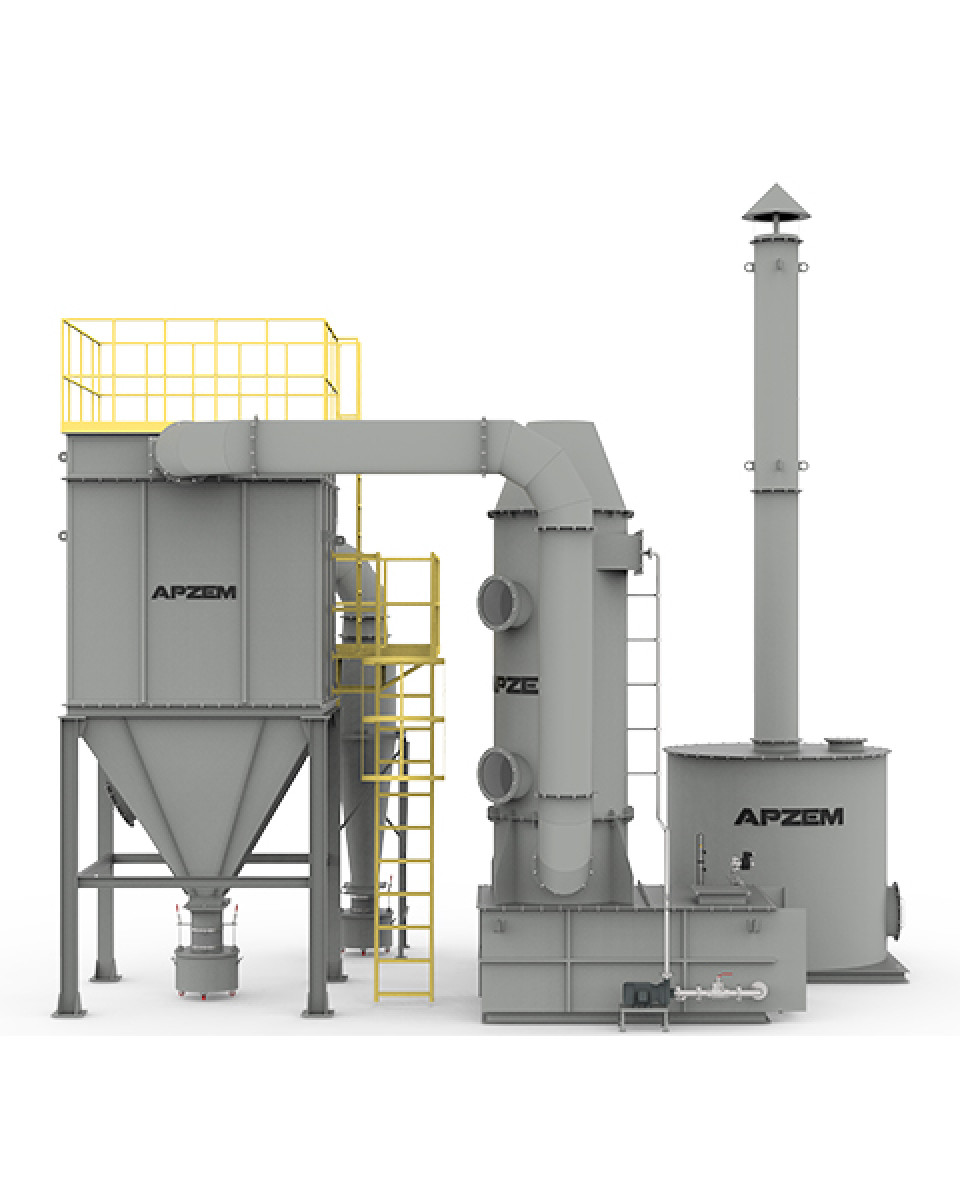
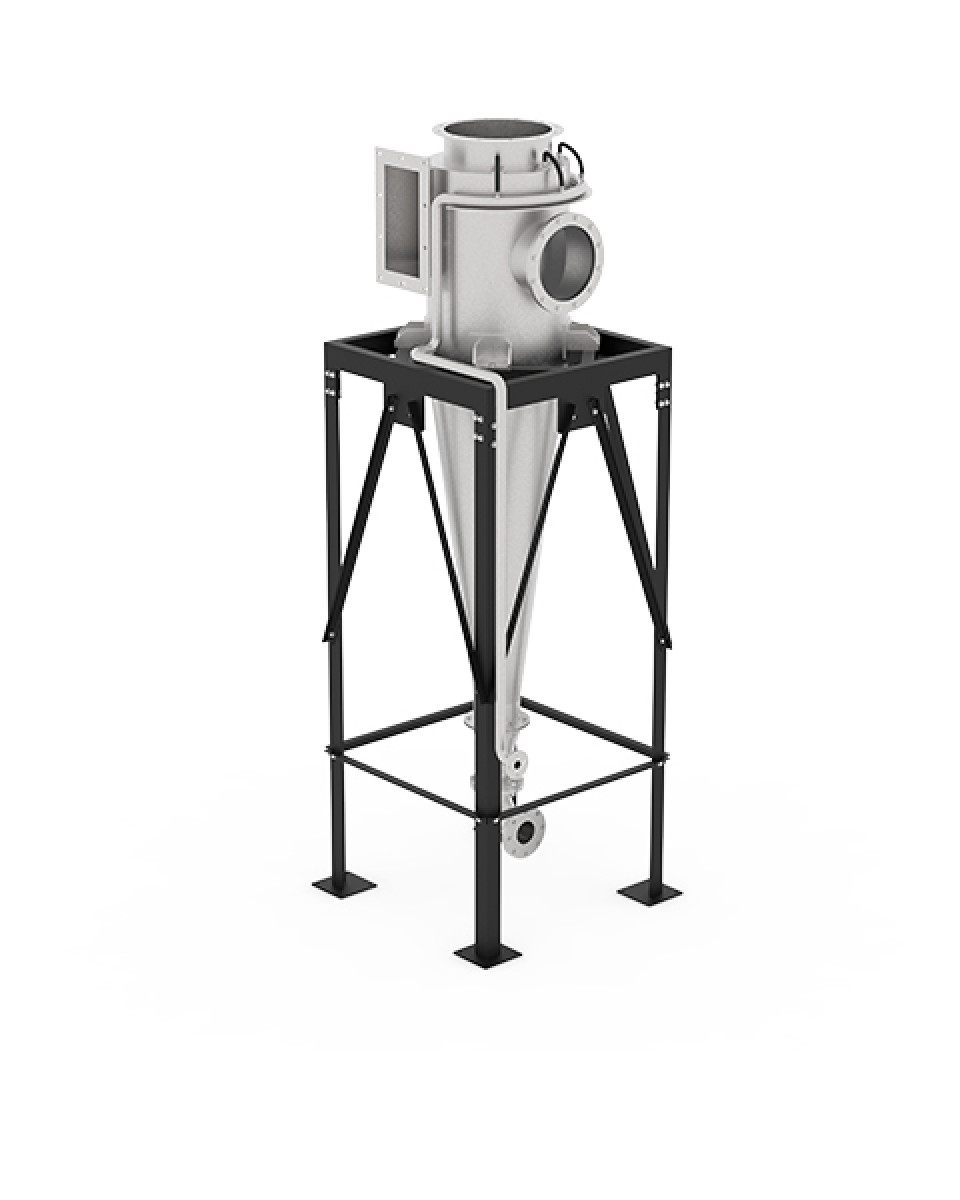
Cyclo-Vane and Multi-Stage Scrubbers
Cyclo-vane scrubbers combine centrifugal separation with wetted surfaces and are compact ways to remove coarse particulates and droplets with low maintenance. Multi-stage scrubbers combine the strengths of different technologies — for example, a venturi stage for particulate capture followed by a packed-bed stage for acid gas absorption — to meet strict emissions targets in a single footprint and with optimized operating costs. These hybrid systems are particularly useful where both particulate and gaseous pollutants are present.
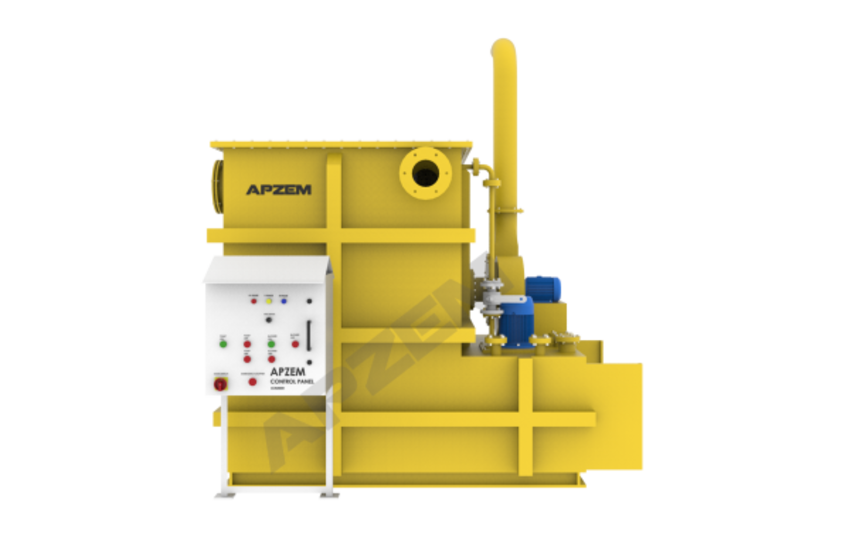
Scrubbers for Specific Chemicals — Chromic Acid, Chlorine (Cl2) and Cl2 Scrubbers
Certain industrial processes, such as metal finishing and chemical manufacturing, generate highly corrosive and toxic acid gases (e.g., chromic acid vapours, chlorine). Systems treating these streams must use corrosion-resistant materials (stainless steels, FRP, or lined carbon steel), carefully selected scrubbing chemistries (e.g., alkaline washes for acidic gases), and robust monitoring and safety interlocks. For chlorine (Cl2) in particular, alkaline scrubber solutions (sodium hydroxide or sodium thiosulfate formulations) convert free chlorine to chloride salts, effectively neutralizing the gas before discharge. Design for chlorine service also emphasizes redundancy, containment, and safe handling of spent scrubbing liquor.
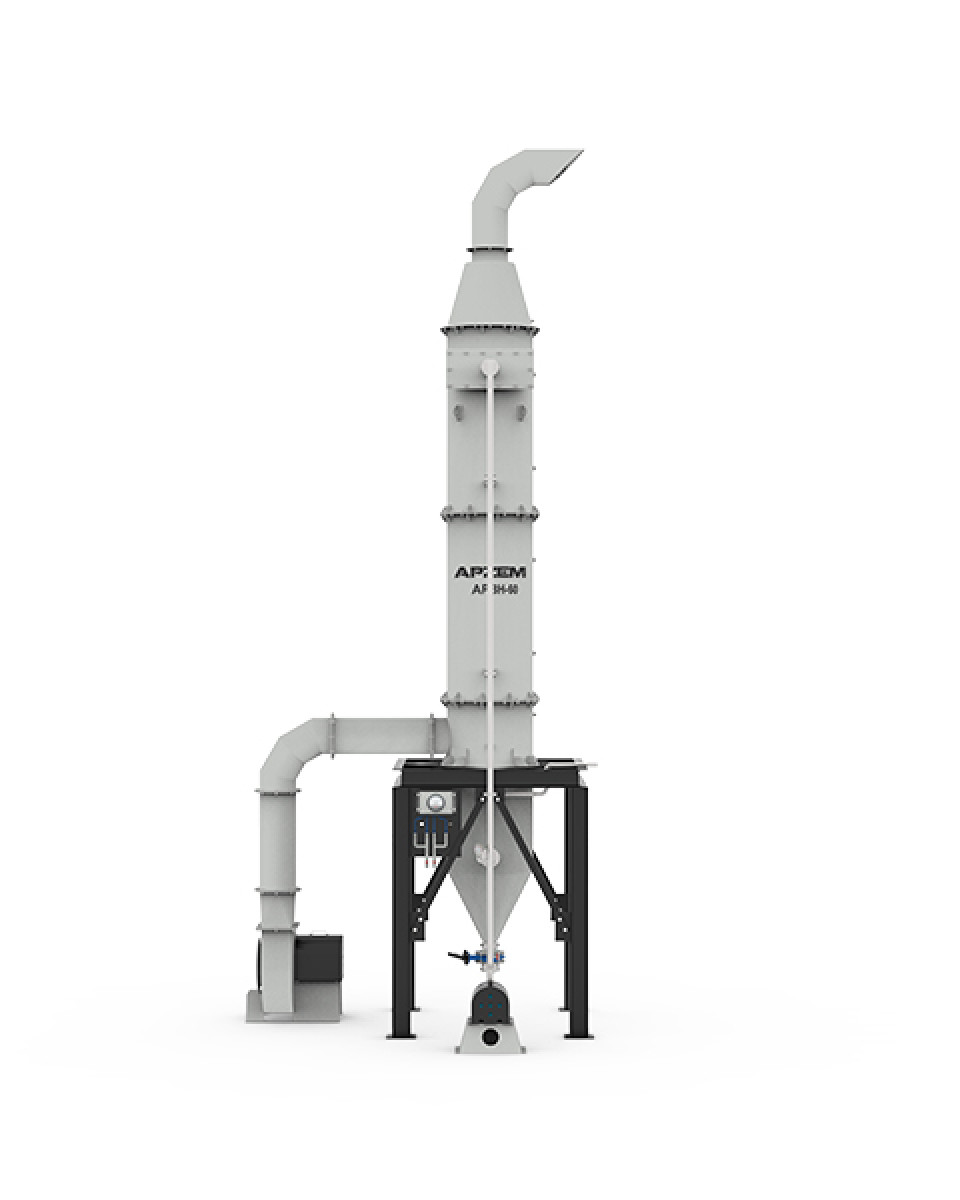
Medical Waste Incineration Scrubbers
Incineration of medical waste produces acid gases, dioxins, furans and other hazardous emissions; wet scrubbers for this application often use multiple stages — quench and gas cooling, particulate capture (venturi or cyclonic), and an absorber stage (packed bed) with chemistry targeted at acid gases and specific toxic species. The multi-stage arrangement ensures temperature control (to prevent formation of certain byproducts) and maximizes removal of both particulate and soluble gaseous contaminants.
Related Products
Dust Extraction
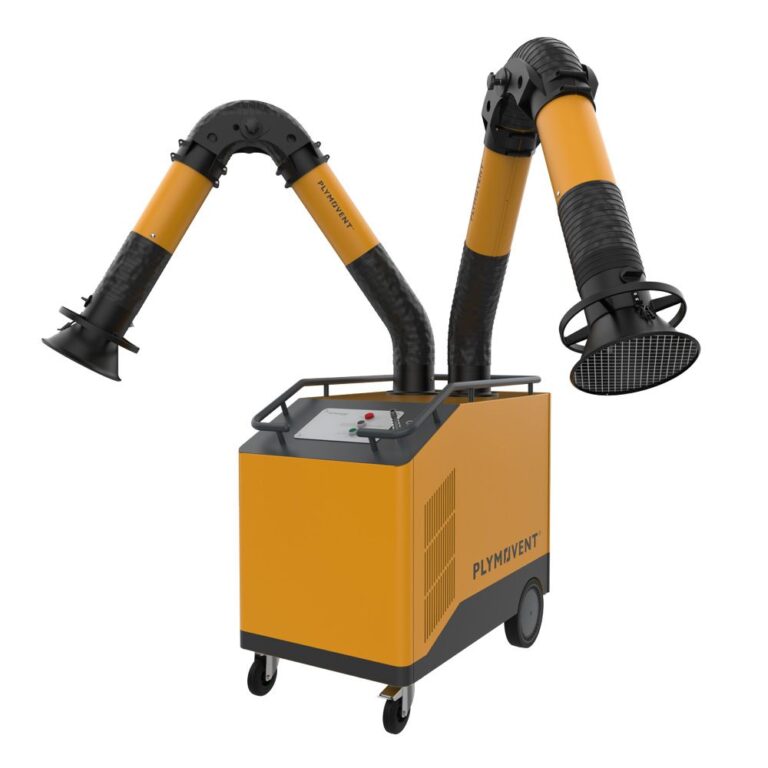
Welding-cutting and grinding fume extraction
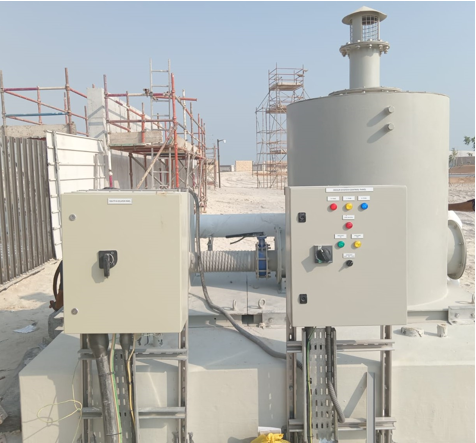
Dry scrubbing Systems
Interested in This Solution?
Our engineering team provides free, no-obligation consultations to specify the right system for your plant.
Request Free Consultation