Dry scrubbing Systems
Overview
INTRODUCTION
Flexible Engineering (Pvt) Ltd is a Sri Lanka–based ventilation and air-pollution control specialist focused on delivering efficient, durable and cost-effective solutions to industries that must control odours, fumes, volatile organic compounds (VOCs) and other hazardous gases. With a guiding tagline “For a Green Tomorrow,” Flexible Engineering provides integrated systems including dry scrubbers, adsorption solutions, paint booth scrubbers, MOCVD and data-center scrubbers, H2S and odour control units, and complementary ventilation and dust-extraction products that help organisations comply with environmental regulations while improving workplace safety and process reliability.
WHY DRY SCRUBBING?
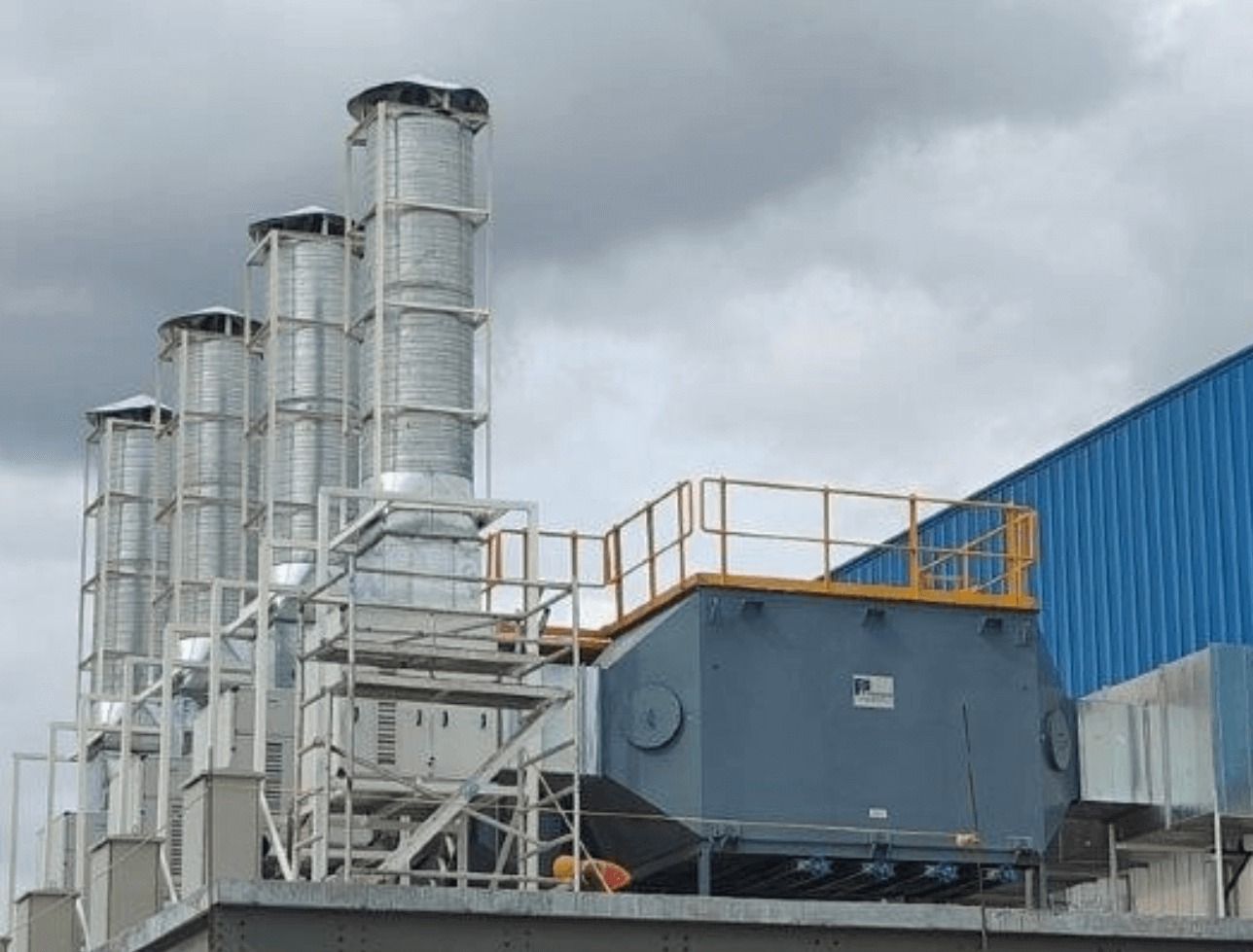
Dry scrubbers and adsorption-based systems remove gaseous pollutants without using large volumes of process water, lowering operating costs, simplifying wastewater management and avoiding secondary effluent treatment issues. Dry systems are particularly well suited to applications where water use is restricted, where the pollutants are readily adsorbable (e.g., certain VOCs, H2S and odorous sulfur compounds), or where sludge handling and disposal would add unacceptable complexity to an installation.
KEY PRODUCT TYPES AND WHERE THEY ARE USED
- Odour control scrubbers — treat malodorous emissions from wastewater treatment plants, sewage pumping stations, and food-processing and rendering plants. Properly selected media (e.g., impregnated activated carbon or specialized adsorbents) capture sulfurous and nitrogenous odours and prevent community nuisance complaints.
- VOC scrubbers — designed for paint shops, solvent-based manufacturing, chemical plants and printing operations. VOC control reduces worker exposure and helps facilities meet ambient air limits and permitting requirements. We offer dry VOC scrubbers optimized for capture efficiency with replaceable media cartridges or beds.
- H₂S scrubbers — hydrogen sulfide is toxic, corrosive and odorous; dry H₂S scrubbers using high-quality activated carbon or impregnated carbon formulations can achieve very high removal rates and are a practical option for sewage, biogas and petrochemical applications. Newer product launches specifically aimed at sewage pumping stations advertise >99% H₂S removal under appropriate design conditions.
- Adsorption scrubbers — these systems rely on surface adsorption onto solids such as activated carbon, silica gels, molecular sieves or specialty sorbents to capture pollutants. Adsorption systems are widely used as polishing steps after primary treatment or where selective removal of specific contaminants is required.
- Paint booth scrubbers — tailored filtration and adsorption systems for spray booths, combining particulate capture with VOC removal to ensure emission limits are met and to protect downstream ventilation equipment. Flexible Engineering’s product portfolio includes paint booth filters and related extraction systems to integrate with scrubbers for holistic booth performance.
- MOCVD and data center scrubbers — specialized scrubbers are used in semiconductor manufacturing (MOCVD processes) to safely treat carrier gases and process exhausts that may contain metal-organic precursors or hazardous by-products. Data center scrubbers control corrosive or contaminated intake air that could shorten equipment life; adsorption-based polishing filters stabilize air quality for sensitive electronics.
DESIGN PRINCIPLES AND ENGINEERING CONSIDERATIONS
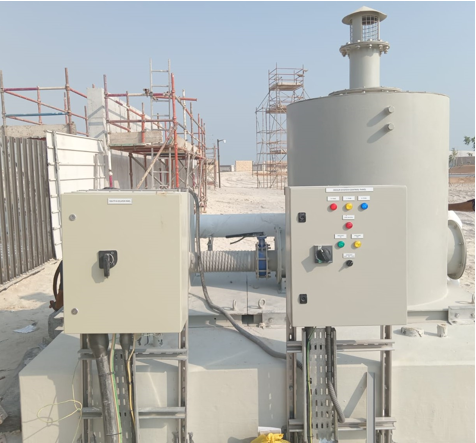
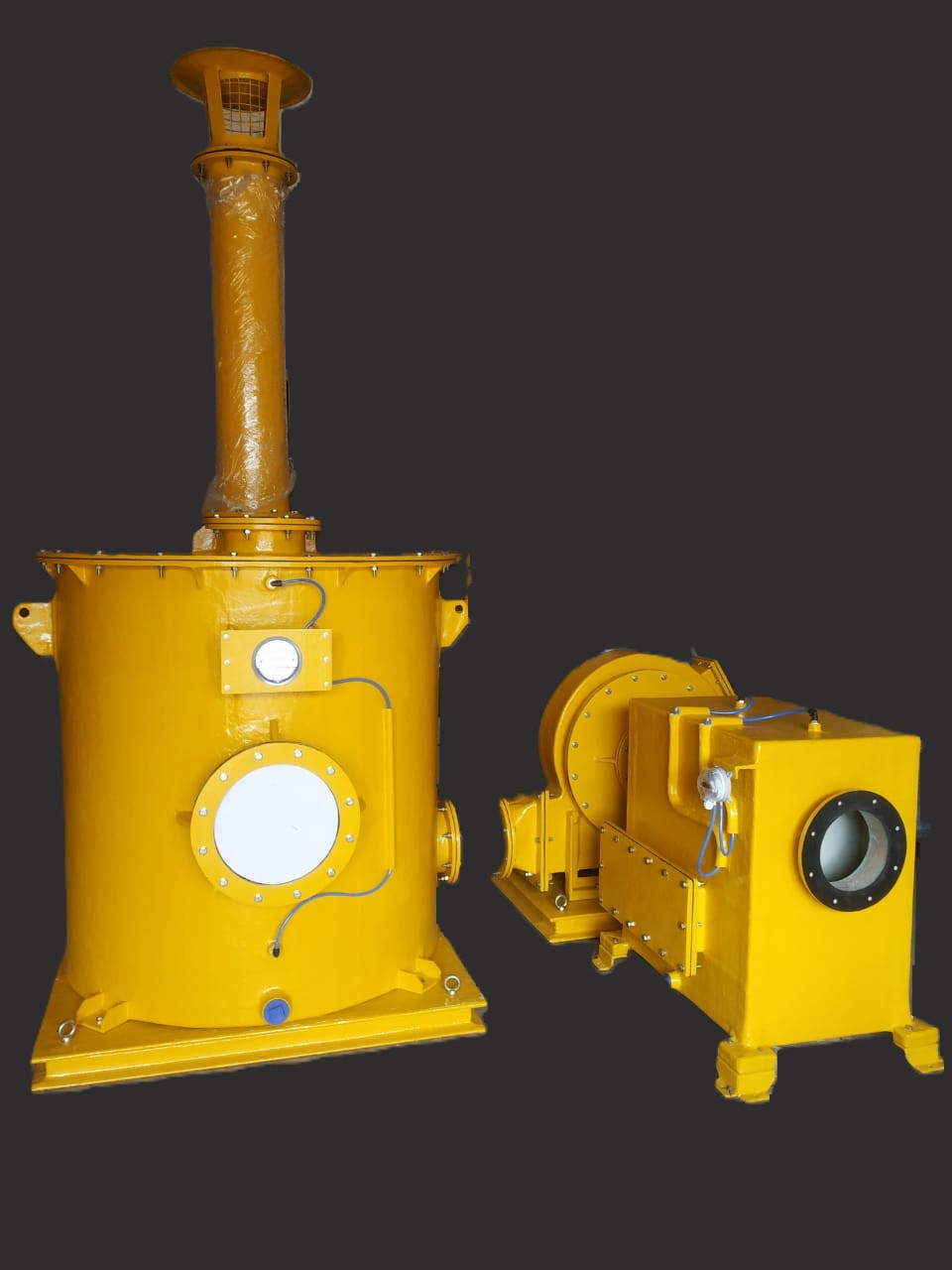
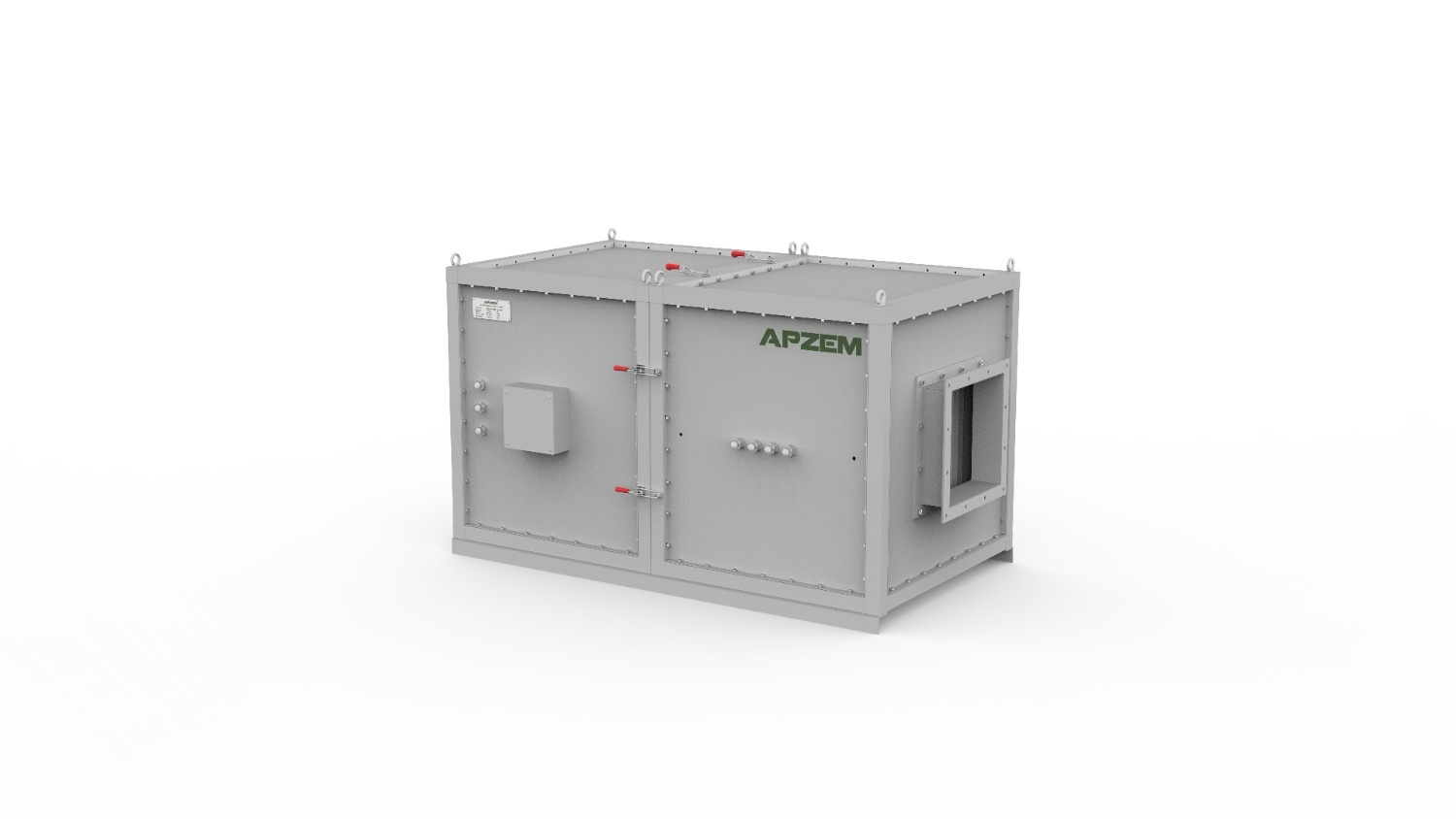
An effective scrubber installation begins with a thorough emissions characterization: identify target compounds, concentrations, temperature and humidity, flow rates, and potential particulate load. These parameters determine the media selection, bed sizing, residence time requirements and pressure-drop allowances. Dry adsorption systems are commonly designed as fixed-bed or modular cartridge systems with staged media to handle multi-component exhausts or to provide front-end particulate capture followed by carbon adsorption. We custom-design such systems to fit process constraints and local environmental regulations.
Other engineering considerations include:
- Corrosion resistance and materials of construction — to match the corrosivity and temperature of process gases.
- Accessibility for media replacement and maintenance — modular bed sections, quick-access hatches, and standardised cartridges reduce downtime.
- Pressure drop and fan energy — media depth and packing affect pressure drop; balancing capture performance against fan energy cost is a key lifecycle decision.
- Monitoring and safety — continuous monitoring for breakthrough (e.g., online gas sensors), differential pressure gauges and safe venting are best practices.
MAINTENANCE, LIFECYCLE AND OPERATIONAL BEST PRACTICES
Dry and adsorption scrubbers are relatively low-maintenance compared with wet technologies, but they still require scheduled inspection and media renewal. Typical maintenance tasks include:
- Media replacement or reactivation on a planned schedule based on loading rates and breakthrough testing.
- Periodic checks for channeling, moisture ingress, and physical degradation of media.
- Inspection of gaskets, dampers and access points to prevent bypass and ensure tight sealing.
- Calibration and upkeep of sensors that detect breakthrough or high concentrations downstream.
Flexible Engineering supports these lifecycle activities by integrating easy-access designs and can provide service contracts or scheduled maintenance to maximize uptime.
REGULATORY COMPLIANCE AND ENVIRONMENTAL BENEFIT
Well-designed scrubber systems help facilities comply with ambient air quality regulations and permit limits for speciated compounds such as VOCs, H₂S and TRS (total reduced sulfur). Reducing fugitive odours and hazardous emissions also lowers community complaints and potential fines while improving worker health and safety. From a sustainability perspective, dry systems avoid producing contaminated process water streams and reduce the need for hazardous liquid neutralization — simplifying environmental management and reducing disposal costs.
WHY CHOOSE FLEXIBLE ENGINEERING?
Flexible Engineering combines local market knowledge, applied ventilation expertise and a product range that includes dust extractors, fume control and scrubber integration. As a Sri Lanka-based supplier of ventilation and air quality solutions, Flexible Engineering can offer on-site assessment, bespoke configurations and local after-sales support that international suppliers may struggle to match in terms of responsiveness.
TYPICAL APPLICATIONS AND CASE EXAMPLES
- Wastewater treatment and sewage pumping stations — odour and H₂S control; fixed-bed carbon scrubbers and modular units for retrofits.
- Paint and surface coating facilities — VOC capture, paint booth filtration and downstream polishing to meet stack emission standards.
- Chemical and solvent processing — targeted adsorption beds for HAPs and VOC streams, often integrated with catalytic or thermal oxidation where required.
- Semiconductor fabs (MOCVD) and laboratories — specialty scrubbers for corrosive or metal-organic process exhausts, designed for ultra-clean environments.
- Data centres — inlet air polishing and corrosion prevention systems for sensitive equipment.
NEXT STEPS AND HOW FLEXIBLE ENGINEERING CAN HELP
If you’re assessing emission control options, Flexible Engineering recommends a staged approach: (1) baseline emissions measurement, (2) gap analysis against regulatory and internal targets, (3) pilot testing or trial installations where appropriate, and (4) full-scale implementation with a maintenance and monitoring plan. Flexible Engineering can perform on-site assessments, provide engineered proposals tailored to flow rates and target contaminants, supply and install scrubber systems and offer after-sales service to ensure compliance and continuous operation.
Related Products
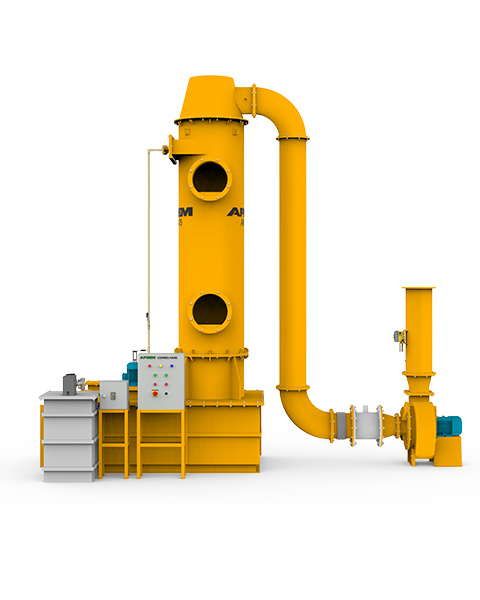
Wet Scrubber
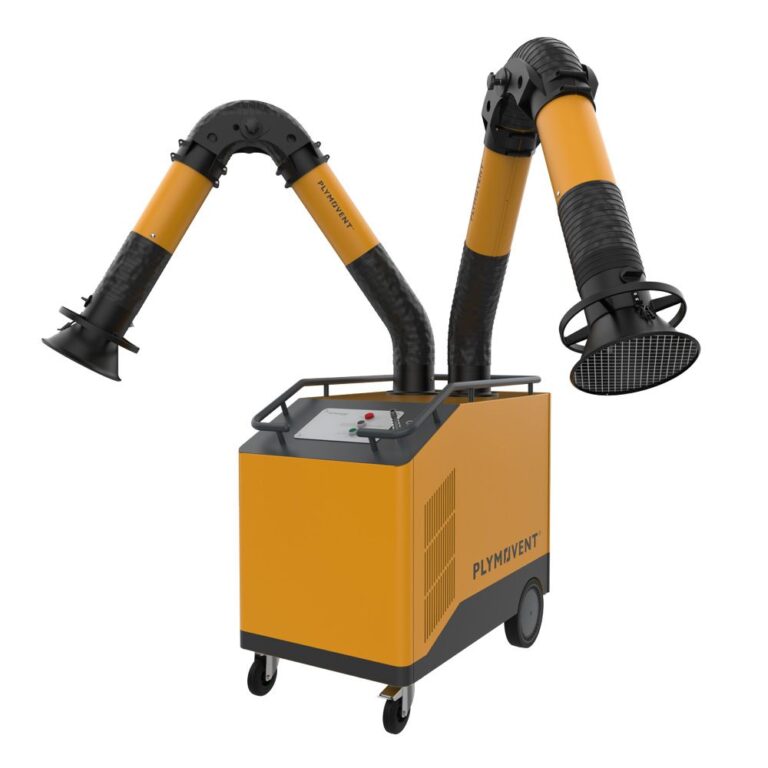
Welding-cutting and grinding fume extraction
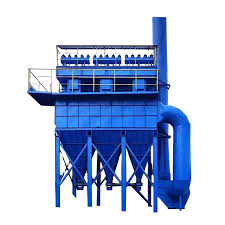
Dust Extraction
Interested in This Solution?
Our engineering team provides free, no-obligation consultations to specify the right system for your plant.
Request Free Consultation